ISO 15118 Under the Hood: The Cryptography and PKI Trust Architecture Behind Plug & Charge
2025年12月17日
Mandatory by 2027! Navigating the Critical Tech Overhaul and Survival in the EV Charging Industry under AFIR
2025年12月22日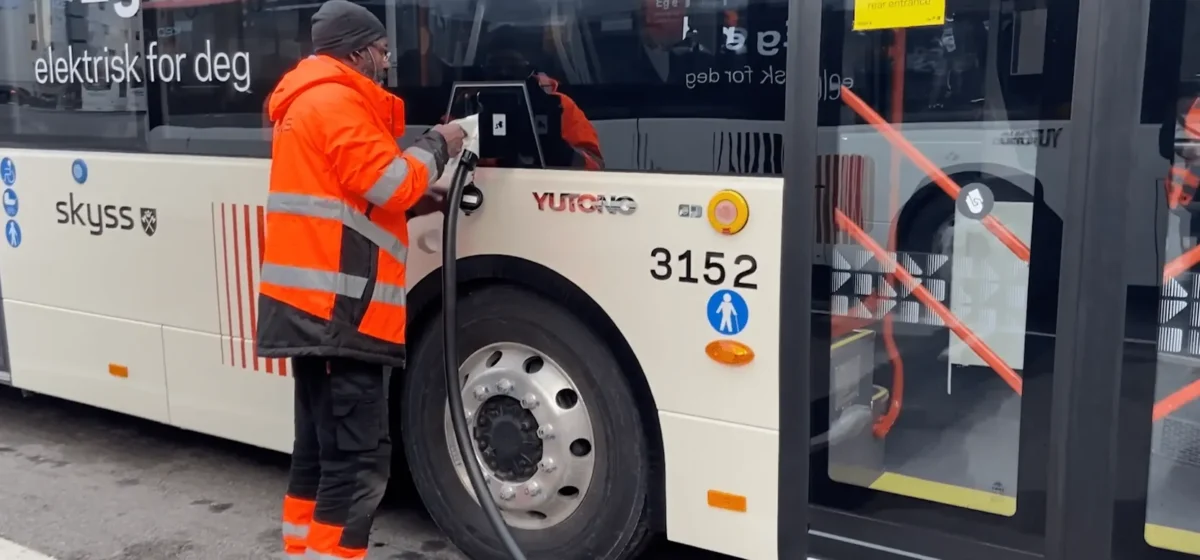
VDV 261: Redefining the Charging Ecosystem for European Electric Buses
The future of European electric public transport fleets is rapidly shifting towards intelligent operations, driven by the interaction of innovative technologies across numerous fields. During charging, a smart EV connects to a smart grid through intelligent chargers and charging stations. With Plug & Charge (PnC), the charging process is significantly simplified and initiated automatically, allowing the vehicle to seamlessly select the most economical tariff. Authorization is securely completed based on certificates from the vehicle, platform, and operator.
Such a "smart" EV charging ecosystem must account for the personalized needs of station users, vehicle user profiles, charging time windows, and grid load conditions. Charging infrastructure and grid resources undergo multimodal analysis based on current energy availability—including pricing structures—to determine the optimal charging start time. Furthermore, the BPT (Bi-directional Power Transfer) function of ISO 15118 allows battery energy to be fed back into the grid or serve as an emergency power source for other EVs or homes.
What Does This Mean for EV "Preconditioning"?
If you work in the European public transport sector, you have likely heard of the VDV 261 standard. You might also be familiar with the necessity of "preconditioning" electric vehicles (EVs) before they go into operation. So, what exactly is VDV 261? How does it work? And what specific problems does it solve? In this article, we dive deep into these questions.
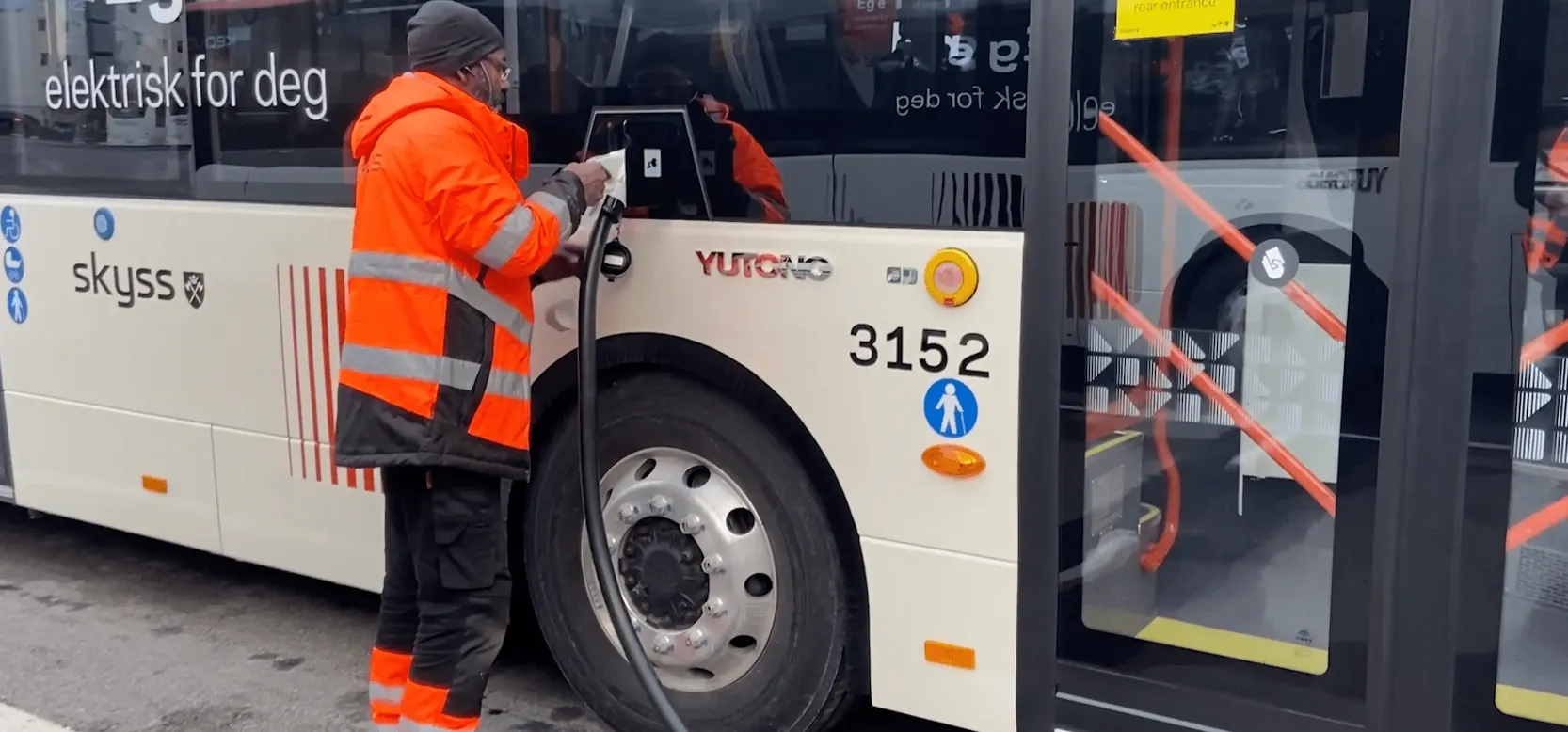 Figure 1: Electric buses utilizing overnight charging for temperature preconditioning at the depot
What is VDV 261?
VDV 261 is a data communication standard between the charging station and the vehicle that allows electric buses to be preconditioned via the charging station's software. Simply put, it helps operators pre-heat or cool down electric buses before they leave the depot.
This means that not only is the interior temperature perfectly comfortable for drivers and passengers right from the start of service, but the bus also begins its route with the maximum possible battery range. There is no need to dispatch staff to manually initiate preconditioning for every bus—the entire process can be scheduled and fully automated.
What Does VDV 261 Mean for Public Transport Operators?
VDV 261 addresses a critical need for electric bus operators by providing a standardized method for fleet preconditioning. It empowers operators to warm up buses on cold winter mornings or cool them down on sweltering summer days before the vehicles ever leave the depot.
In some countries, it is even legally required for buses to maintain a specific interior temperature range for drivers and passengers the moment service begins.
In short, by integrating VDV 261 into the overnight charging process, operators can ensure their vehicles leave the depot at a comfortable internal temperature, without depleting the vehicle's battery, thereby guaranteeing a sufficient State of Charge (SOC) to complete the route.
How Does VDV 261 Manage EV Preconditioning?
VDV 261 is built on top of robust communication protocols like ISO 15118 and OCPP. It leverages existing charging infrastructure and communication frameworks to enable preconditioning. It is an excellent example of how industry standards continue to build upon one another to accelerate technological progress.
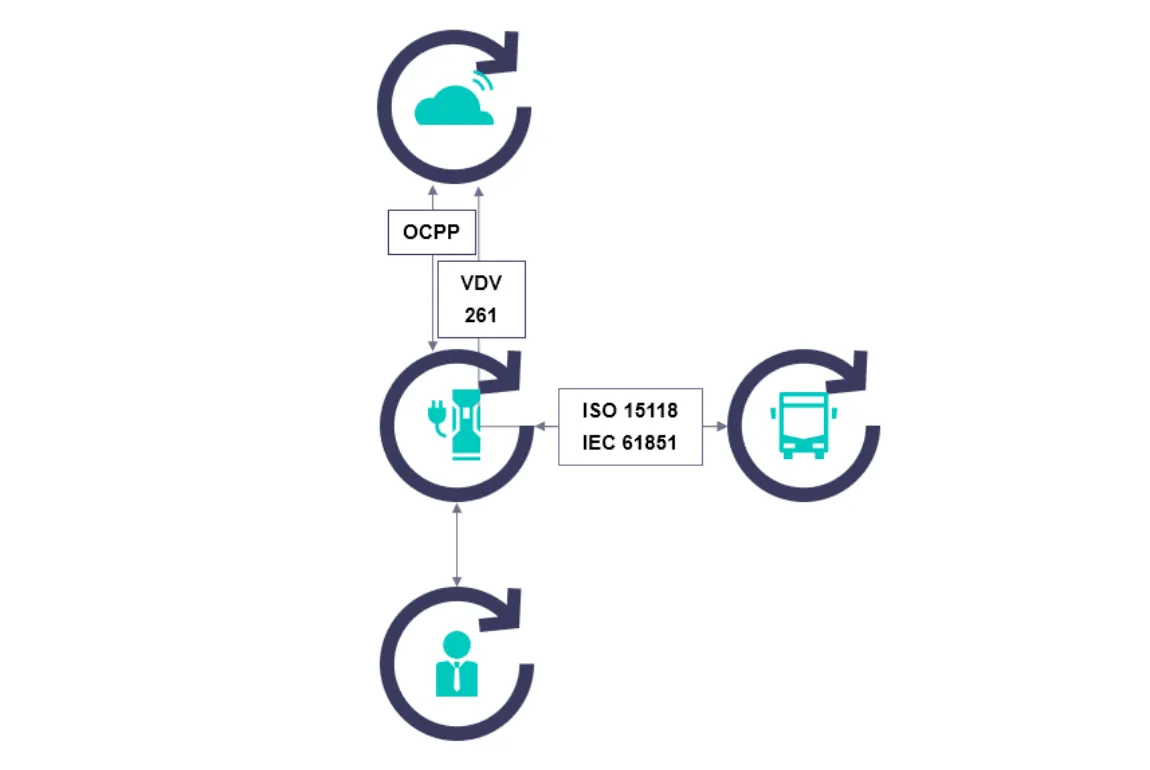 Figure 2: VDV 261 Data Interaction Architecture
To charge at the depot, an electric bus must connect to a charging station. The associated telematics platform identifies the bus, and subsequently, the following information is transmitted to the vehicle:
- Departure Time: The exact time by which the vehicle must finish its preconditioning cycle.
- Type of Preconditioning: Whether the vehicle requires cooling, heating, or ventilation.
- External Temperature: Critical data for the system to adjust climate control, especially when indoor depot temperatures differ significantly from outdoor conditions.
⚡️ Tech Implementation Tip: The Role of Charge Bridge
To achieve seamless transmission of the data above, the underlying ISO 15118 communication link is critical. The Charge Bridge Hardware Module acts as a vital communication bridge in this process, accurately parsing and transparently transmitting the various parameter instructions required by VDV 261, ensuring an accurate and flawless dialogue between the vehicle and backend systems.
Given these parameters, the vehicle determines if it needs preconditioning, exactly what action to take (heat or cool), and when it must be ready (departure time). Based on this data, the vehicle activates its climate system to prepare for roll-out at the perfect temperature.
The electric bus and the charging station communicate using the charger as a "proxy." They exchange data multiple times throughout the night to ensure software systems are updated with the latest information and to guarantee the bus has finished preconditioning by the start of service.
During this entire process, the electric bus remains connected to the charging station. While preconditioning, the vehicle continues to draw power from the grid to compensate for the energy consumed by the climate control system. Once the desired temperature is reached, the bus stops preconditioning and is ready for the day.
What are the Key Benefits of VDV 261 for Public Transport Stakeholders?
As public transport becomes increasingly electrified, operators are encountering new nuances in fleet management. For instance, if an EV is heated using only its internal battery without being connected to a charger, it directly reduces the vehicle's operational range.
In winter, heating a bus from an outdoor temperature of -10°C to a comfortable 15-18°C consumes a substantial amount of energy before the bus even leaves the depot. This heavily impacts the available range. In a worst-case scenario, a depleted bus might fail to complete its route and require towing.
VDV 261 helps operators optimize their routing, streamline planning, and mitigate operational risks. Furthermore, the standard reduces range anxiety, enhances comfort for passengers and drivers, and ensures high accuracy and reliability in schedule planning.
What are the Requirements for Preconditioning?
To successfully perform preconditioning, both the charging station's software and the vehicle itself must be VDV 261 compliant.
We can compare standards to a "language," and chargers and vehicles to "people." They might speak the same language but with different "regional accents," which can lead to miscommunication without proper calibration.
We face a similar scenario with VDV 261. While all parties may have read the standard, software interpretations can vary slightly. Therefore, rigorous testing of the communication between the bus, the charging station, and the backend software is mandatory to ensure they exchange the correct information, allowing the bus to begin its route at the proper interior temperature.
Eliminating the "Accent" Barrier
To prevent misunderstandings caused by these interpretive "accents," selecting components that have passed rigorous conformance testing is crucial. The Charge Bridge Module is developed strictly following standard protocol stacks, acting as a flawless "interpreter." It smooths out comprehension differences between various devices, ensuring that VDV 261 commands are accurately executed on any compatible equipment.
To extract the maximum value from VDV 261, we highly recommend that operators also comply with the VDV 463 standard. This additional VDV protocol defines the interoperability between charging station software and Depot Management Systems (DMS).
Compliance with VDV 463 facilitates the full automation of the preconditioning process. The charging station communicates directly with the depot management system to exchange relevant scheduling data, ensuring a smooth, hands-off process for vehicle preparation. For operators who do not yet utilize a dedicated depot management system, necessary information can still be acquired through alternative integrations to enable a successful preconditioning flow.
Standards like VDV 261 are essential to the long-term success of fleet electrification. We are proud to be dedicated to defining, implementing, and rigorously testing these standards to help global fleets confidently transition to electric operations.