OCPP Protocol (OCPP 1.6, OCPP 2.0.1, and OCPP 2.1)
2025年8月15日
ISO 15118-20 Deep Dive: Unlocking a New Era of V2G and Smart Charging
2025年12月16日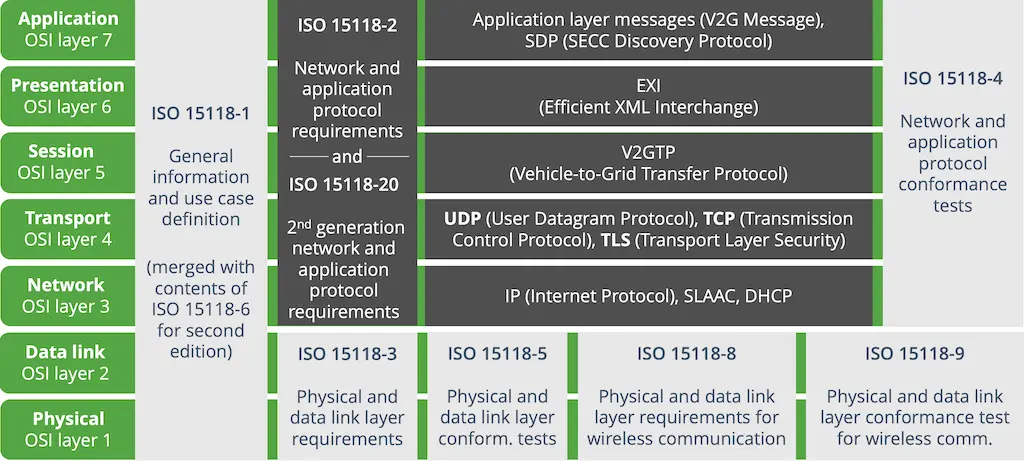
ISO 15118 Deep Dive: Defining the New Global Standard for EV Charging
Discover how this world-leading international standard connects Electric Vehicles (EVs) and Electric Vehicle Supply Equipment (EVSE) via a digital interface to enable smart charging and Vehicle-to-Grid interaction.
Table of Contents
- Origins and History of ISO 15118
- Core Communication Architecture (EVCC & SECC)
- The Boundary Details: ISO 15118 vs. OCPP
- Core Function: V2G (Vehicle-to-Grid)
- The Protocol Family: Evolution from ISO 15118-2 to -20
- Secure Communication Driven by Plug & Charge
- Challenges of Adoption
- A More Convenient Future Experience
- The ISO Standardization Process
What is ISO 15118?
ISO 15118 is commonly known as the communication layer standard for the "Combined Charging System" (CCS). It is not just a charging plug standard; it defines a complex digital communication interface between the vehicle and the power grid.
Unlike traditional analog signaling, ISO 15118 allows the vehicle to transmit large amounts of data, such as the exact energy required by the battery, charging schedules, and encrypted information used for security authentication.
Core Communication Architecture (EVCC & SECC)
The standard relies on two core controllers to establish and manage the communication network during a charging session:
- EVCC (Electric Vehicle Communication Controller): The controller located within the EV side.
- SECC (Supply Equipment Communication Controller): The controller located within the charging station.
These controllers utilize IP-based communication (TCP/IP) over the physical charging cable or a wireless link, securing data transmission with Transport Layer Security (TLS).
History of ISO 15118
In 2010, the International Organization for Standardization (ISO) and the International Electrotechnical Commission (IEC) formed a joint working group. Their goal was to create a universal solution that allows vehicles to "talk" to charging infrastructure anywhere in the world.
- 2013-2014: The first generation of standards (ISO 15118-1/2) was released, laying the foundation for smart charging.
- 2022: The second generation (ISO 15118-20) was published, fully unlocking bidirectional charging and wireless charging capabilities.
The Boundary Details: ISO 15118 vs. OCPP
To fully understand the charging ecosystem, it is important to distinguish ISO 15118 from another critical standard: OCPP (Open Charge Point Protocol).
- ISO 15118: Manages the direct communication between the electric vehicle and the charging station (EV-to-Charger).
- OCPP: Manages the communication between the charging station and the central backend software (Charge Point Operator's CSMS).
These two standards do not replace each other; they are complementary. Together, ISO 15118 and OCPP enable a complete end-to-end smart charging communication network.
Core Function: V2G (Vehicle-to-Grid)
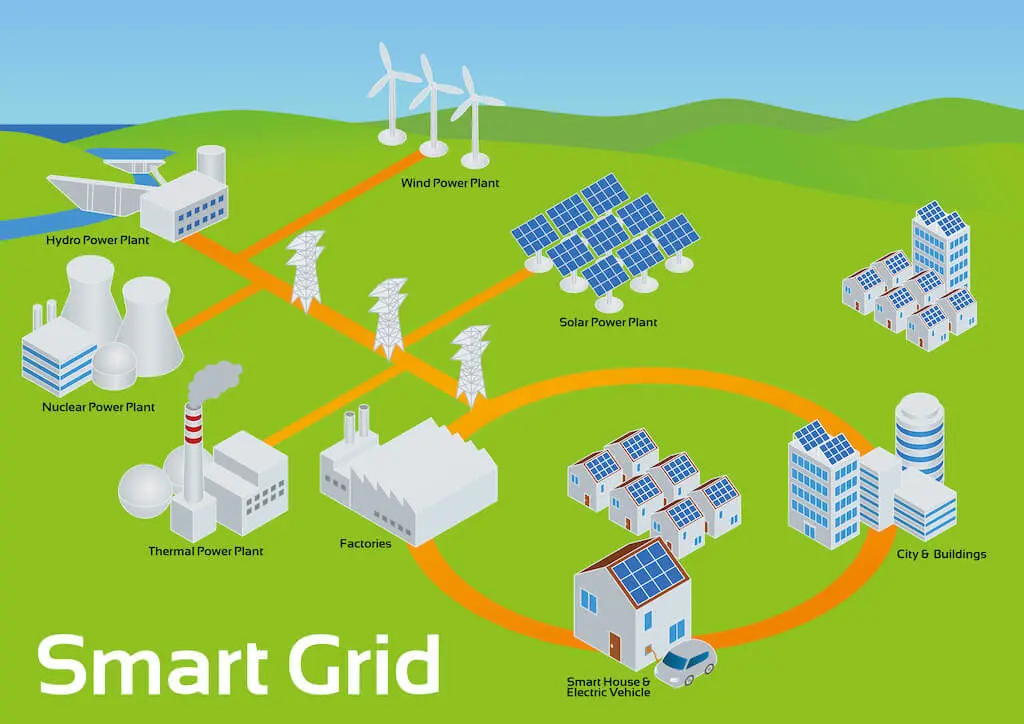
The most transformative feature of ISO 15118 is the integration of electric vehicles into the smart grid, known as Vehicle-to-Grid (V2G).
Through the ISO 15118-20 standard, vehicles can not only draw energy from the grid (charge) but also feed energy stored in the battery back into the grid (BPT, Bidirectional Power Transfer).
- Peak Shaving: Charge when electricity prices are low and sell electricity back to the grid during peak hours.
- Renewable Energy Integration: Use EVs as temporary energy storage units when there is a surplus of solar or wind energy.
- Emergency Backup Power: Power a home during an outage (V2H).
How V2G Bidirectional Power Transfer Works
Initiating a V2G session under ISO 15118 involves several key steps of continuous interaction:
- Service Discovery: The EV queries the charging station for available services, specifically looking for Bidirectional Power Transfer (BPT) capabilities.
- Parameter and Limit Negotiation: The EV and the charging station mutually exchange their power limits, target energy requests, and available grid parameters.
- Power Profile Calculation: Based on the limits, the EV generates a power profile (a curve illustrating planned charging and discharging over time) and sends it to the charging station.
- Closed-Loop Control: During the actual power flow, both ends continuously exchange control messages to adjust active/reactive power dynamically based on grid conditions.
The Protocol Family: ISO 15118-2 vs. 15118-20
ISO 15118 is a massive "family of documents," with the parts defining network and application protocols being the most critical. The industry is currently in a pivotal transition period from -2 to -20.

| Feature | ISO 15118-2 (Current Mainstream) | ISO 15118-20 (Future Standard) |
|---|---|---|
| Release Date | 2014 | 2022 |
| Physical Interface | Primarily supports Power Line Communication (PLC) | Supports PLC and Wi-Fi Wireless Communication |
| Energy Transfer | Unidirectional Charging (AC/DC) | Bidirectional Charging (BPT), supports AC and DC |
| Wireless Charging (WPT) | Not Supported | Natively Supported |
| Automated Connection (ACD) | Not Supported | Supports Automated Connection Devices (e.g., Pantographs) |
| Security | TLS 1.2 | TLS 1.3 (Higher Level Encryption) |
💡 The Developer's Challenge: ISO 15118-20 introduces entirely new message structures and more complex security mechanisms. The Charge Bridge Module can handle protocol conversion for both ISO 15118-2 and -20 simultaneously, helping charger manufacturers smoothly transition to the new standard.
Secure Communication Driven by Plug & Charge
In the digital age, cybersecurity is paramount. ISO 15118 utilizes Public Key Infrastructure (PKI) and TLS encrypted channels to protect data transmission.
This security mechanism is the foundation for Plug & Charge. While this article won't delve into the complex implementation details, it is the core user experience upgrade brought by ISO 15118—users simply plug in the charging gun, and the vehicle automatically completes identity authentication and payment authorization without swiping cards or scanning QR codes.
A More Convenient Future Experience
Beyond Plug & Charge, ISO 15118 prepares us for future charging scenarios:
- Wireless Power Transfer (WPT): Vehicles can start charging automatically just by parking over a charging pad, without plugging in cables.
- Automated Connection Devices (ACD): Aimed at electric buses and heavy-duty trucks, enabling automatic connection establishment via roof-mounted pantographs.
The ISO Standardization Process
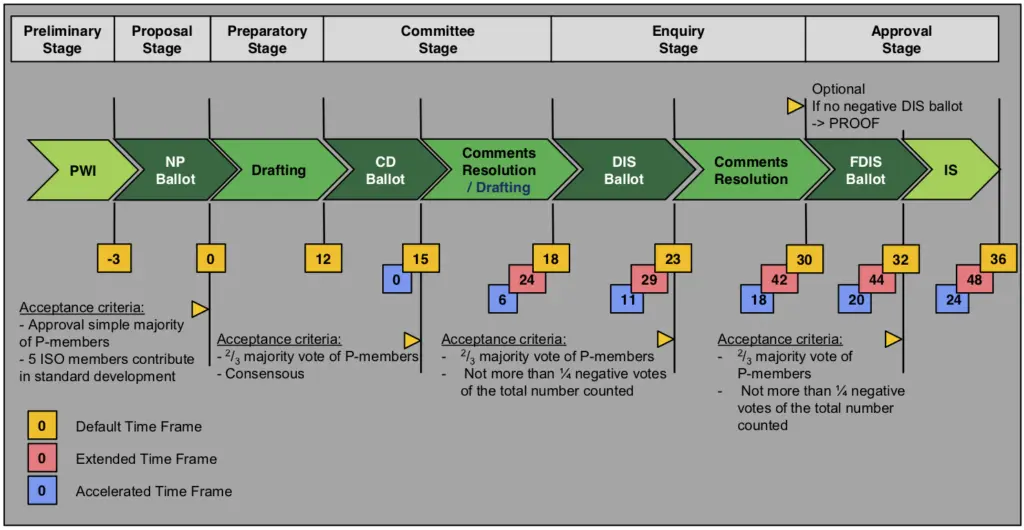
The birth of an international standard requires a long process. The development of ISO 15118 followed strict ISO standardization stages:
- Proposal Stage (NP): Determine the need for a new standard.
- Committee Draft (CD): Technical experts draft the content.
- Enquiry Draft (DIS): Public comments are solicited.
- Final Draft (FDIS): Final voting takes place.
- International Standard (IS): ISO 15118-20 was officially published in 2022, marking the official start of the V2G era.
Charge Stack Studio keeps pace with ISO standardization. Our Charge Bridge Hardware Module is the first to complete ISO 15118-20 protocol stack adaptation, helping your products quickly pass rigorous interoperability tests in Europe and the US.