ISO 15118-20 Deep Dive: Unlocking a New Era of V2G and Smart Charging
2025年12月16日
ISO 15118 Under the Hood: The Cryptography and PKI Trust Architecture Behind Plug & Charge
2025年12月17日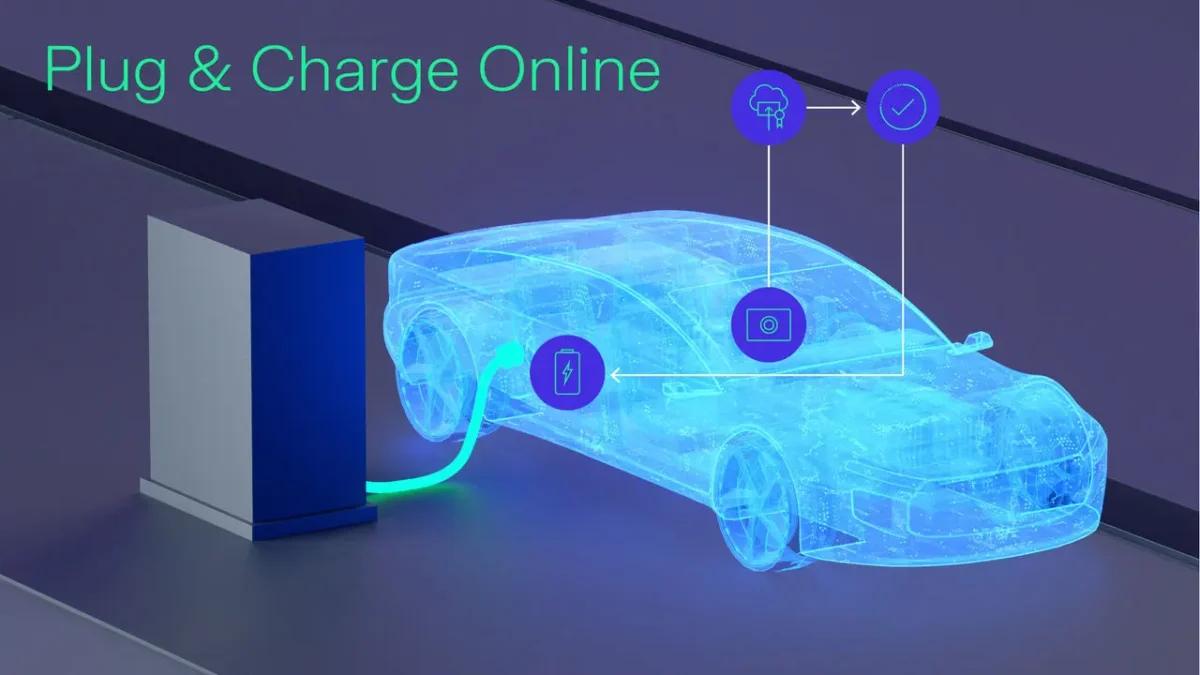
Demystifying Plug & Charge:
Simplifying the EV Charging Experience
The electric vehicle (EV) industry is undergoing a rapid transformation, and as its core pillar, the user experience of charging infrastructure is paramount. One of the most exciting innovations in this field is Plug & Charge (PnC).
This technology promises to completely eliminate the tedious charging steps of the past, making charging as simple as charging a mobile phone. But behind its seamless experience lies complex communication protocols and security mechanisms. This article will take you deep into how Plug & Charge works, its relationship with ISO 15118, and the challenges and opportunities it faces.
What is Plug & Charge?
As the name implies, "Plug & Charge" allows EV drivers to immediately and automatically start charging after plugging their vehicle into a compatible charging station. The system automatically handles vehicle identification, authorization, and billing, eliminating the need for users to pull out their smartphones to open an App, find RFID cards, or scan QR codes.
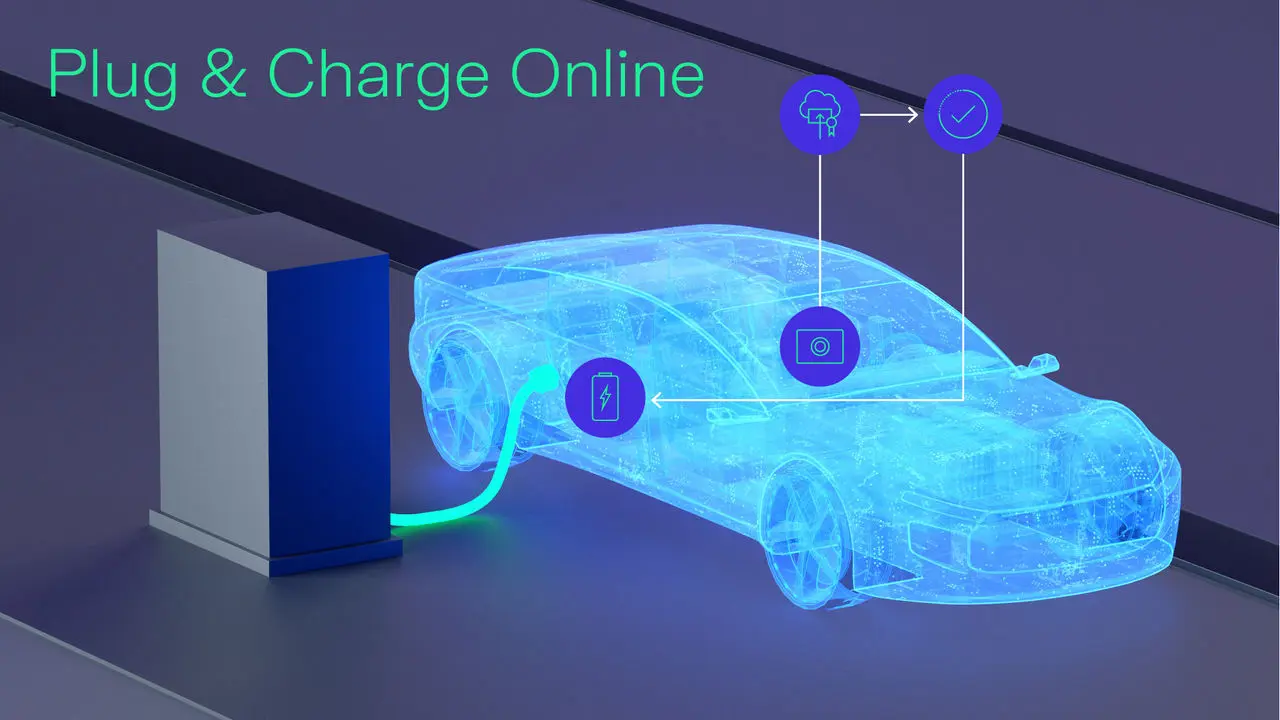
The core principle lies in the intelligent dialogue between the vehicle and the charging pile. Once the physical connection is established, the vehicle sends an encrypted digital certificate to the charger. The charger verifies the validity of the certificate, confirms the associated user account, and authorizes the charging process. All of this is completed seamlessly in the background within seconds.
The Difference Between "Plug & Charge Experience" and "ISO 15118"
Depending on who you ask, the term "Plug & Charge" can refer to meanings on two levels:
1. Plug & Charge Based on the ISO 15118 Standard
This refers to the specific protocol defined by the International Organization for Standardization (ISO)—ISO 15118. Beyond Plug & Charge itself, this protocol also includes other components such as V2G (Vehicle-to-Grid) communication, energy management, and smart charging.
In North America, companies like automakers Ford and Porsche, as well as charging network operator Electrify America, are already using this standard-based technology.
2. Experiences Simulating the "Plug & Charge" Flow (Autocharge)
On the other hand, it can refer to any experience that simulates the same process: authentication, charging, and billing are completed automatically after the vehicle connects to the Electric Vehicle Supply Equipment (EVSE), without the driver using an app, website, or RFID card.
This category includes the closed ecosystem experience of Tesla vehicles using Tesla Superchargers, as well as the "MAC Charging" mode relied upon by OCPP platforms. This mode reads the MAC address from the vehicle side via the ISO 15118 communication link and uploads it to the OCPP platform for comparison and authentication, thereby achieving a Plug & Charge-like experience.
Despite the many advantages of this charging method, other activation methods (especially apps) still have a place in the user experience. However, this article will focus on the Plug & Charge method defined by the ISO 15118 standard, as it represents a more open, secure, and interconnected future.
Core Benefits of Plug & Charge
The widespread adoption of Plug & Charge technology will bring multiple benefits to the EV ecosystem:
- Unmatched Convenience: Eliminates the hassle of juggling multiple Apps and membership cards. Users just "plug in," and technology handles the rest. For fleet operations, this also means drivers don't need to hold company credit cards or specific charging cards.
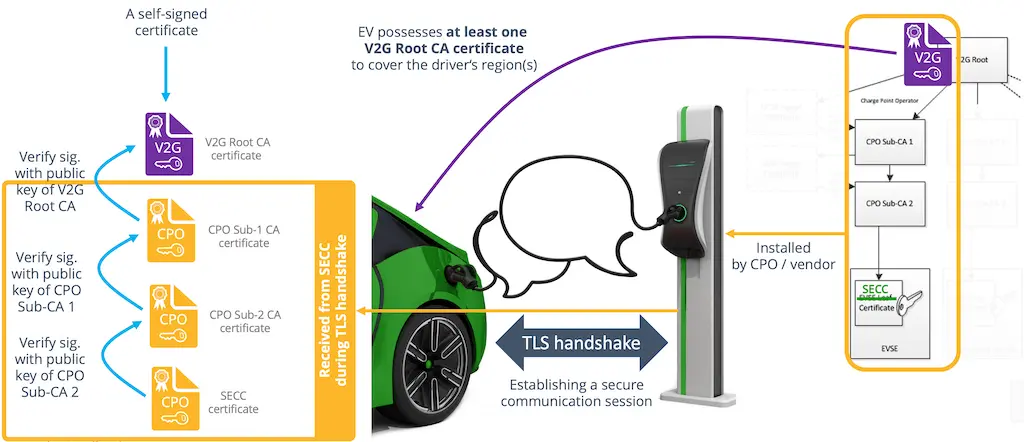
- Financial-Grade Security: Based on ISO 15118's asymmetric encryption and Public Key Infrastructure (PKI) (including TLS, ECDH, and AES), Plug & Charge effectively prevents identity theft and payment fraud, making it safer than traditional RFID cards (which are easily cloned) and Autocharge (which relies on transmitting MAC addresses in plaintext over open networks, is typically limited to specific CCS connector networks, and has lower security).
- Efficient Operations: Automated authentication processes reduce charging failures caused by network delays, App crashes, or card reader malfunctions, improving station utilization and turnover efficiency.
- Broad Interoperability: Based on the unified global ISO 15118 standard, drivers can seamlessly roam across different CPO networks without needing individual contracts with each network.

Challenges and Barriers to Adoption
Despite the promising outlook, the rollout of Plug & Charge has not been smooth sailing. The industry faces several key hurdles, which is why it is only now beginning to scale up:
- Technical Complexity: Implementing the ISO 15118 standard requires deep embedded development capabilities, especially involving complex TLS security handshakes, EXI encoding/decoding, and certificate chain verification. This is a massive technical barrier for many charger manufacturers.
- Certificate Management (PKI) Puzzles: Establishing and maintaining a unified certificate ecosystem is extremely complex. Implementing a complete Plug & Charge ecosystem requires mutual authentication and interoperability testing among three core entities: Original Equipment Manufacturers (OEMs), Charge Point Operators (CPOs), and eMobility Service Providers (EMPs/MSPs). Who issues the certificates? Who verifies them? All of this requires a high degree of coordination.
- Hardware Upgrade Costs: Many older chargers lack the necessary Secure Elements (SE/TPM) or sufficient processing power to run the ISO 15118 protocol stack.
⚡️ Charge Bridge: Making "Plug & Charge" Deployment Easier
Facing the complex technical threshold of ISO 15118 and the cumbersome certificate management, many charger manufacturers are hesitant.
The Charge Bridge Hardware Module from Charge Stack Studio tackles this pain point head-on. We have built-in the complete ISO 15118 protocol stack and high-performance security chips, pre-configured with mainstream PKI certificate systems. You don't need to assemble a huge software team to grind through low-level code; simply integrate our module to quickly equip your chargers with Plug & Charge capabilities, pass rigorous European and American certifications, and seize the market initiative.
The Future of Plug & Charge
As technology matures and standards unify, Plug & Charge is gradually becoming a "standard feature" for high-end electric vehicles and public charging networks. There are already over 20 EV models on the market supporting Plug & Charge, and major global roaming networks (such as Hubject and Gireve) have connected millions of Plug & Charge-capable EVs, enabling cross-network interoperability.
In the future, this technology will not be limited to public charging stations but will extend to home charging and fleet management scenarios. Combined with the bi-directional charging capabilities of ISO 15118-20, vehicles will be able to automatically identify themselves and charge or discharge based on grid demands, truly realizing smart energy management.
While this will take time, a seamless "plug and go" charging future is walking towards us.